

After a service or maintenance check, you'll receive a Field Service Report (FSR), summarizing your UPS's condition and reliability. Our guide breaks down what's in an FSR, from basic unit information to vital component checks and performed tests like thermal imaging, helping you interpret findings and ensure optimal performance.
Field Service Reports


Your UPS field service report is like a health check for your critical equipment. Part one focuses on batteries, the vital component that keeps you online during outages. We'll explore what to look for in battery reports, including age, type, and common degradation factors. Learn why proactive battery maintenance is crucial and what tests technicians perform.

In part two of our field service report series, we delve into capacitors and fans within UPS systems. Learn what these components do, why they're crucial, and what signs of wear and tear technicians look for. Discover common failure causes and how proactive maintenance can prevent costly downtime.

Discover the importance of balancing UPS loads to prevent premature equipment failure and ensure optimal performance. Learn how uneven distribution can lead to costly repairs and operational disruptions. This guide explores the risks of neglecting load balancing and offers expert advice to keep your systems running smoothly.
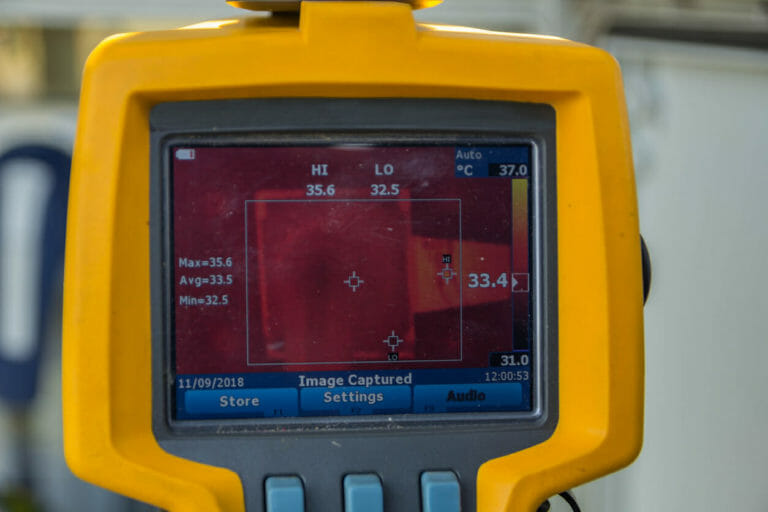
Our final field service report guide explores thermal image scanning. This essential preventative maintenance tool uses infrared radiation to detect overheating components, predicting potential UPS failures. Learn what to look for, potential challenges, and how to interpret scan results to ensure your equipment's reliability and avoid costly downtime.

Reflect on the critical power lessons from 2018 with our blog year in review. We covered topics from CES outages and UPS maintenance to DC power plants and lithium-ion technology. Discover key insights that will help you understand and manage your critical power infrastructure better throughout the year.