

Your UPS is a vital investment. Protect it from environmental hazards to ensure it keeps your business running smoothly. Learn how temperature, dirt, dust, and access can impact its lifespan and what you can do to prevent premature wear and expensive repairs for optimal performance and longevity.
UPS
Page 3


Tax season is a prime opportunity to explore deductions for your critical power systems. Discover how Section 179, bonus depreciation, and leasehold improvements can significantly benefit your business's bottom line. Invest in essential power equipment and unlock valuable tax savings.

High energy costs are a major concern for businesses. Is your uninterruptible power supply system contributing to excessive spending? Learn how to assess your UPS's energy efficiency, discover if it's properly sized, and find out how new technology can lead to significant savings.

When your UPS system is discontinued, it's crucial to act proactively. Waiting for components to fail risks your critical power. Review your power requirements, assess current infrastructure, and budget for a suitable replacement system. Plan for ongoing maintenance and consider other electrical components during the upgrade process.

Understanding the lifespan of your UPS system is crucial for protecting your critical equipment. Factors like environmental conditions, component sensitivity, and electrical disruptions impact longevity. Planning for pre-purchase needs, considering total lifecycle costs, and tracking your facility's equipment changes will help you determine when maintenance or replacement is necessary.
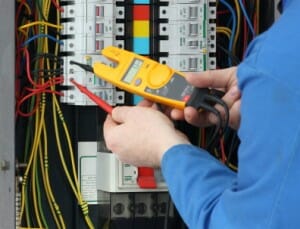
Don't assume your equipment will last indefinitely. Regular preventative maintenance on your UPS systems helps uncover potential weaknesses by inspecting batteries, internal components, and environmental conditions. Proactive checks minimize downtime, identify failure points, and ensure your generator functions correctly, ultimately saving you time and money.

UPS capacitor failure can silently compromise your system, forcing it into bypass and leaving critical loads unprotected. This article explains what UPS capacitors do, common failure modes, and how proactive maintenance and replacement can prevent this hidden threat, ensuring your equipment remains secure.