

When it comes to protecting research, campus operations, and IT services, reliable power is non-negotiable. Baylor University’s aging Eaton 9315 500kVA UPS had become both increasingly inefficient and vulnerable, jeopardizing uptime for critical systems across campus.
UPS battery

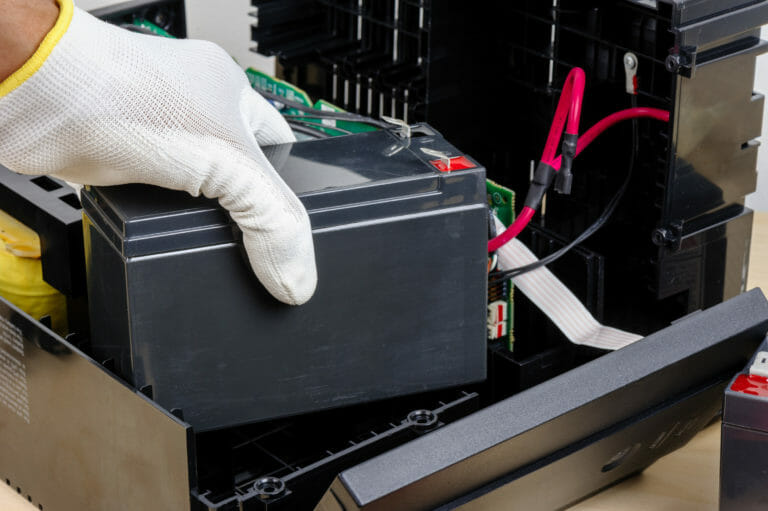
UPS battery failure is a common issue, but understanding its causes can prevent costly downtime. This post explores five leading reasons for premature battery failure, including improper storage, high temperatures, over-cycling, incorrect voltage, and using the wrong battery for the application. Learn how to avoid these pitfalls and extend battery life.

Your UPS field service report is like a health check for your critical equipment. Part one focuses on batteries, the vital component that keeps you online during outages. We'll explore what to look for in battery reports, including age, type, and common degradation factors. Learn why proactive battery maintenance is crucial and what tests technicians perform.
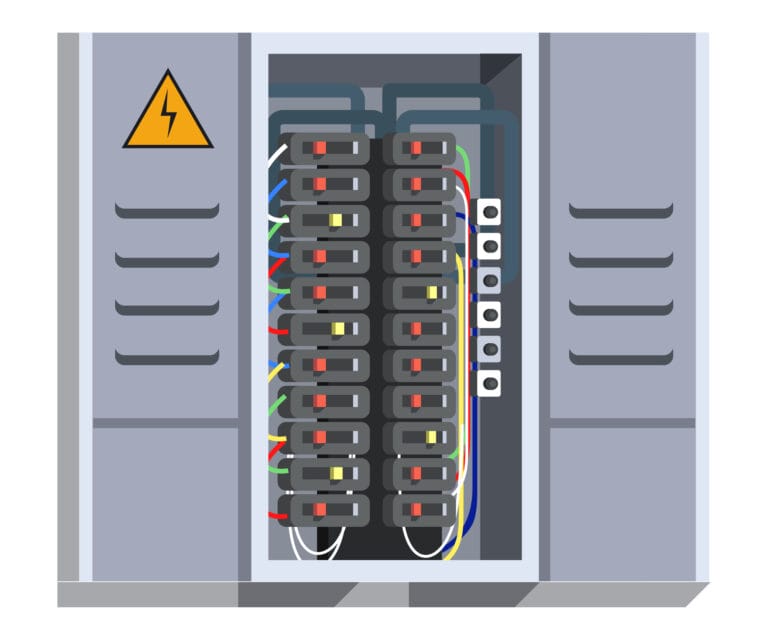
Learn how unbalanced loads in three-phase UPS systems can impact efficiency, lifespan, and reliability. Discover the signs of this common issue and explore solutions like load redistribution and active balancing technologies. Ensure your critical operations remain protected by understanding and addressing load imbalances with expert guidance.
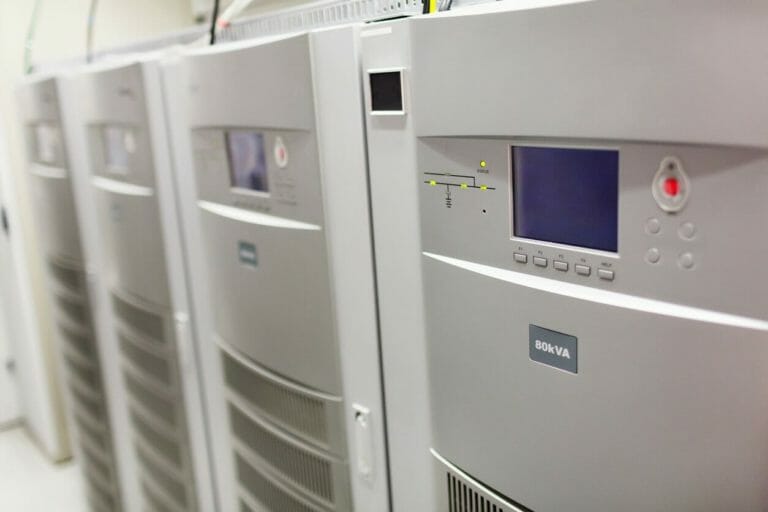
Uncover the essential knowledge about Uninterruptible Power Supply (UPS) systems. This introduction explores the different types available, from standby and line-interactive to double-conversion units. Learn how each functions and discover factors influencing their total lifecycle costs, including efficiency and maintenance, to ensure your operations remain protected and reliable.
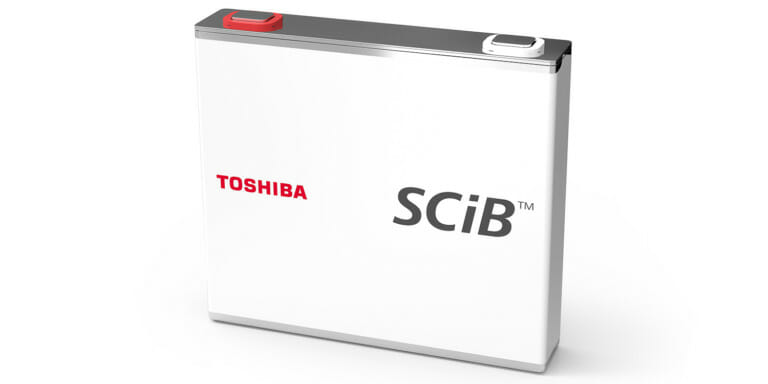
If you want to learn more about SCiBs UPS batteries, contact QPS power experts today!
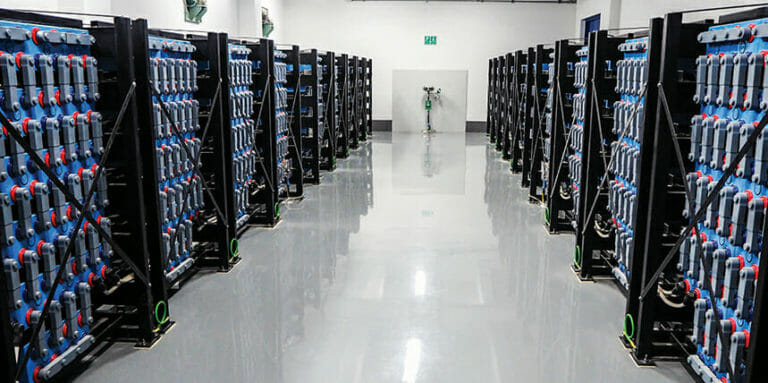
Discover the advantages of Thin Plate Pure Lead (TPPL) batteries for critical applications like data centers and telecommunications. Learn how their unique design, utilizing absorbent glass mat and purer, thinner lead plates, offers superior efficiency, faster recharge times, and better heat dissipation compared to traditional VRLA and flooded cell batteries.
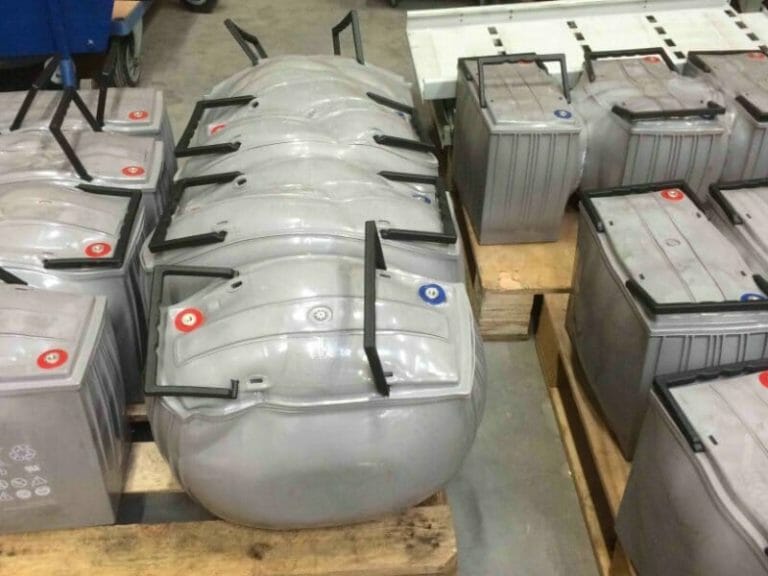
Thermal runaway is a serious hazard for UPS systems and emergency lighting inverters. This dangerous event occurs when batteries generate heat faster than they can dissipate it, potentially leading to fire. Learn what conditions can cause thermal runaway and how to prevent it to avoid catastrophic losses.

Reflect on the critical power lessons from 2018 with our blog year in review. We covered topics from CES outages and UPS maintenance to DC power plants and lithium-ion technology. Discover key insights that will help you understand and manage your critical power infrastructure better throughout the year.

Toshiba's SCiB Lithium-Ion battery technology offers significant advantages for critical IT loads and high-demand applications. Unlike standard lithium-ion, SCiB boasts superior safety, rapid charging, and an exceptionally long life cycle. Discover why this innovative battery solution, featured in Toshiba's G9000 series UPS, is ideal for reliable power backup.

Quality Power Solutions is excited to announce a new line of Lithium-Ion UPS systems from N1 Critical Technologies!
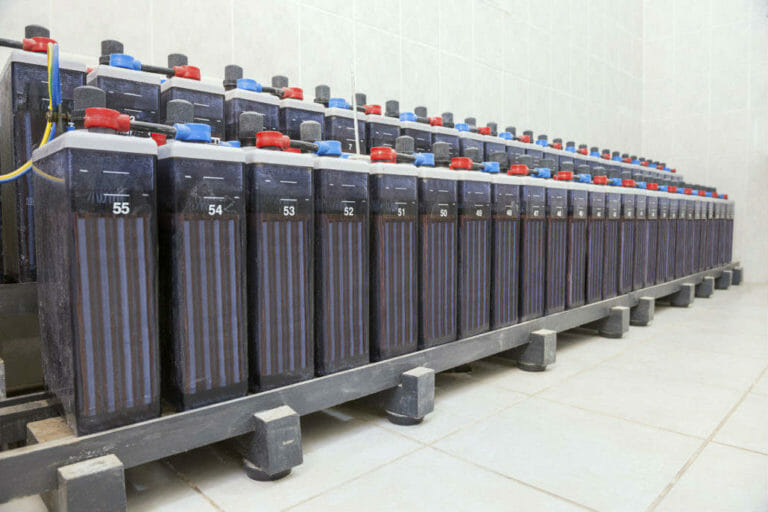
Explore Wet Cell UPS batteries, also known as Flooded Cell batteries. Learn about their construction, advantages like extended run-time and long design life, and crucial maintenance requirements. This article also covers potential hazards and necessary safety precautions when working with these powerful energy storage systems.

Considering a flywheel UPS? This guide explores key factors to help you decide if it's the right choice for your business. We cover environmental considerations, required run times, economies of scale, total cost of ownership, and regulatory aspects to ensure you make an informed purchase decision.

Your UPS is a vital investment. Protect it from environmental hazards to ensure it keeps your business running smoothly. Learn how temperature, dirt, dust, and access can impact its lifespan and what you can do to prevent premature wear and expensive repairs for optimal performance and longevity.
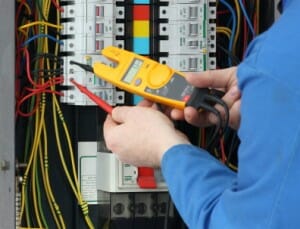
Don't assume your equipment will last indefinitely. Regular preventative maintenance on your UPS systems helps uncover potential weaknesses by inspecting batteries, internal components, and environmental conditions. Proactive checks minimize downtime, identify failure points, and ensure your generator functions correctly, ultimately saving you time and money.

The battery is the most vulnerable part of your UPS system. Proper battery maintenance is crucial to prevent costly downtime and extend the life of your UPS. Learn the common risks of battery failure, including temperature, ventilation, voltage issues, and connection problems, and discover what a comprehensive battery maintenance check includes.