

Quality, reliable power is crucial for running your business, and right now it’s even more important than ever. As COVID-19 surged, organizations shifted their workspaces from the office to employees’ homes, and other remote locations, increasing the demand for power reliability.
UPS Service Provider
Page 2

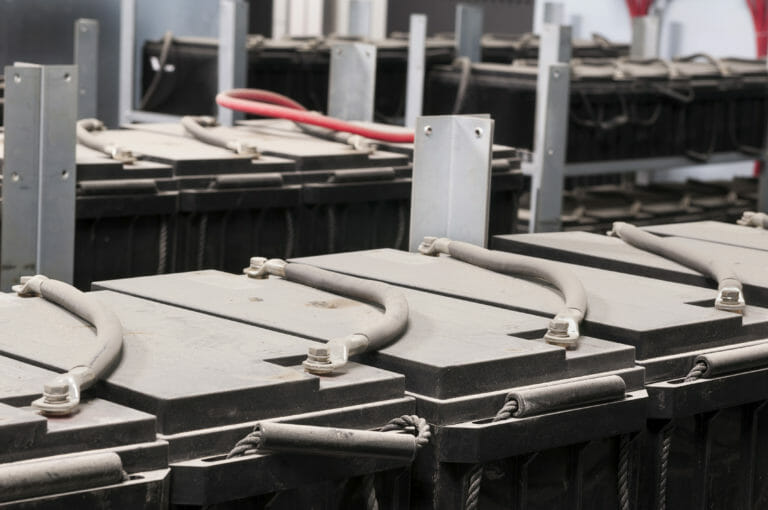
UPS batteries are the heart of your backup power system. Learn about the three main types: Valve Regulated Lead Acid (VRLA), Flooded Cell (VLA), and Lithium Ion. Each has unique advantages, disadvantages, and ideal use cases. Understanding these options is key to optimizing UPS performance and ensuring reliable backup power.

Signing a new service contract can feel like a win, but watch out for hidden costs. Carefully review your agreement to understand exclusions, warranty details, per diem charges, insurance coverage, and the availability of on-site parts kits. Ensure you have a dedicated support team ready 24x7 to avoid unexpected expenses and ensure smooth operations.

Understanding the lifespan of your UPS system is crucial for protecting your critical equipment. Factors like environmental conditions, component sensitivity, and electrical disruptions impact longevity. Planning for pre-purchase needs, considering total lifecycle costs, and tracking your facility's equipment changes will help you determine when maintenance or replacement is necessary.

Choosing a UPS service provider requires careful consideration. While manufacturer service teams may seem convenient, an independent provider offers a more holistic and efficient approach to your power backup needs. Discover why a single point of contact, broader expertise, and streamlined supplier management are crucial for maintaining uptime and reliability across all your critical systems.