

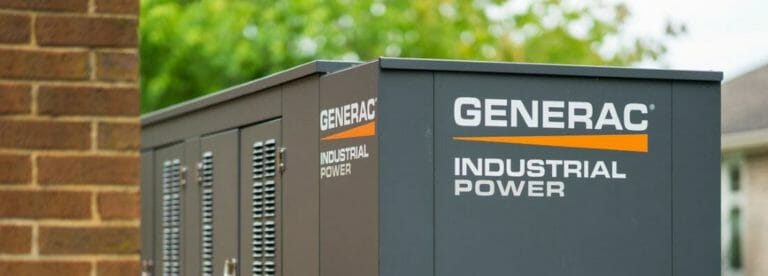
Long wait times for essential equipment like generators are a growing concern. COVID disruptions, 'just-in-time' manufacturing, and increased demand due to weather events are all contributing factors. Lead times are extending significantly, impacting businesses and homes alike. Proactive planning is crucial.
Blog
Page 4
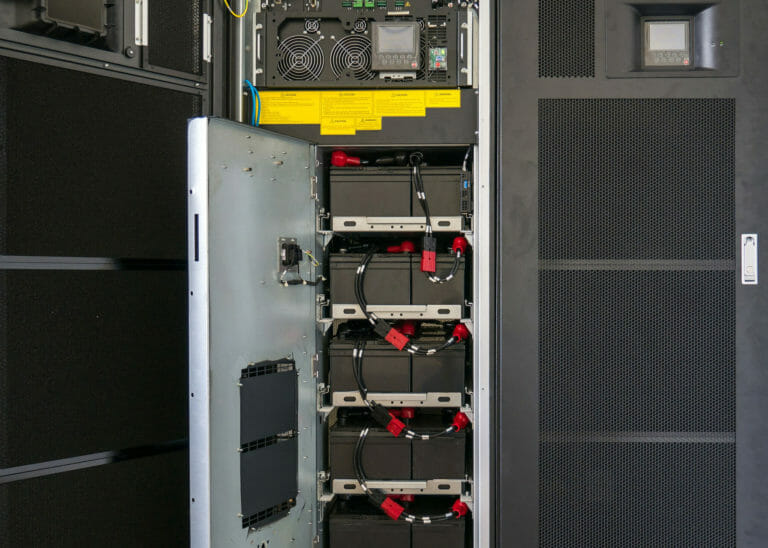
Supply chain disruptions are impacting UPS battery availability. Expect longer delivery times and potentially rising costs for vital VRLA batteries. This can affect equipment protection. QPS can help you plan ahead for replacements and source alternate options to ensure your critical systems remain operational.

Recent power outages highlight the importance of business continuity. Learn how to strengthen your utility redundancy plan with essential UPS battery maintenance, infrastructure reviews, and expert support. Ensure your facility stays online, even during a catastrophe, by investing in proper backup power solutions.

Ongoing UPS maintenance is essential, despite its costs. A responsible service plan ensures power when you need it. Look for emergency response capabilities and tailored preventative maintenance schedules based on your facility's needs and downtime costs. Understanding what parts and labor are covered in your agreement is also critical for proactive protection.

Managing critical power supply with a remote team presents unique challenges. This post explores essential questions for planning power reliability, focusing on maintenance, monitoring, and replacement strategies. Learn how to ensure uninterrupted operations even with a distributed workforce and adapt to evolving power needs.

Protect your business by understanding what's crucial in a UPS preventative maintenance agreement. Beyond the initial purchase, ongoing maintenance is key to preventing unplanned downtime. A comprehensive plan includes emergency services, regular inspections, and proactive component management, ensuring your UPS system remains reliable and your operations stay online.
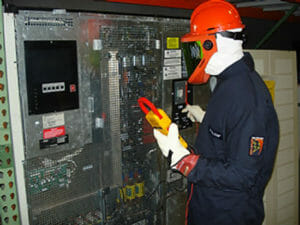
Winter is coming, and so are potential power outages. Ensure your Uninterruptible Power System (UPS) is ready for the season with this guide to routine maintenance inspections. Learn what critical checks to look for, common red flags during testing, and how to resolve potential issues to keep your facility online and protected.
Discover the lifespan of your UPS system and its critical components like batteries and capacitors. Learn how to identify risks of failure, understand lifecycle costs, and implement maintenance strategies to ensure your mission-critical equipment stays online.

Quality, reliable power is crucial for running your business, and right now it’s even more important than ever. As COVID-19 surged, organizations shifted their workspaces from the office to employees’ homes, and other remote locations, increasing the demand for power reliability.

Quality Power Solutions is committed to maintaining critical infrastructure support during COVID-19. We are adhering to CDC and OSHA guidelines to ensure the safety of our employees, clients, and partners while remaining fully operational. Our 24/7 emergency response and advanced remote capabilities ensure uninterrupted service.
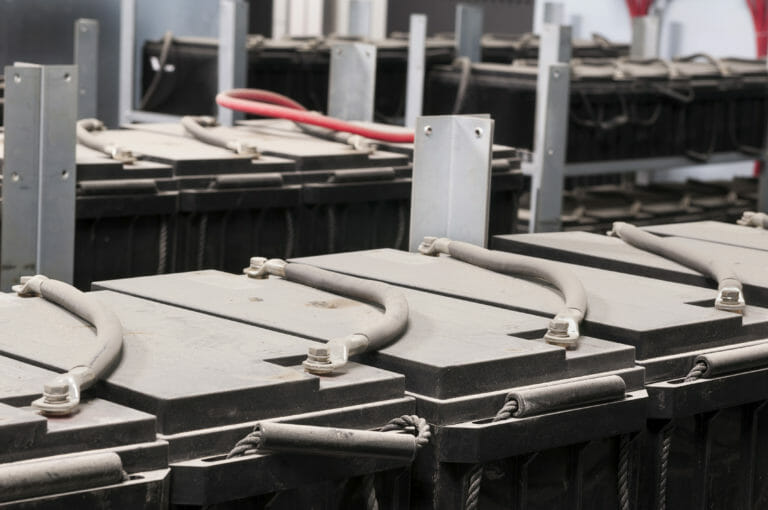
UPS batteries are the heart of your backup power system. Learn about the three main types: Valve Regulated Lead Acid (VRLA), Flooded Cell (VLA), and Lithium Ion. Each has unique advantages, disadvantages, and ideal use cases. Understanding these options is key to optimizing UPS performance and ensuring reliable backup power.

We're thrilled to welcome Access Power Inc. to the QPS family! This partnership marks a significant step forward in our mission to deliver innovative solutions and exceptional service. Learn more about how their expertise will enhance our offerings and benefit our clients. Discover the exciting possibilities ahead with this dynamic addition.

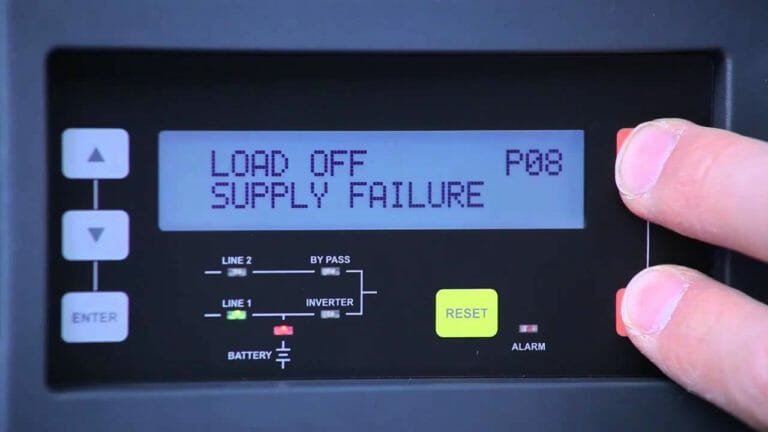
Commercial UPS systems use alarms to signal malfunctions, but deciphering them can be confusing. This guide breaks down the meaning behind UPS alarm lights – green for healthy, amber for attention needed, and red for critical errors. Learn how to interpret these warnings and know when to call for professional help to keep your facility powered.

Harsh environmental conditions can damage typical UPS systems. Toshiba has patented a true outdoor UPS, the 5000 Series NEMA 3R, designed to withstand extreme temperatures, weather, and humidity. This purpose-built solution offers reliable power conditioning and uninterrupted power for industrial applications.

Discover the critical role of UPS system efficiency in your company's bottom line. Learn how to measure your UPS's energy consumption, understand efficiency ratings across different modes, and leverage this data to make informed decisions for significant cost savings and improved operational performance.
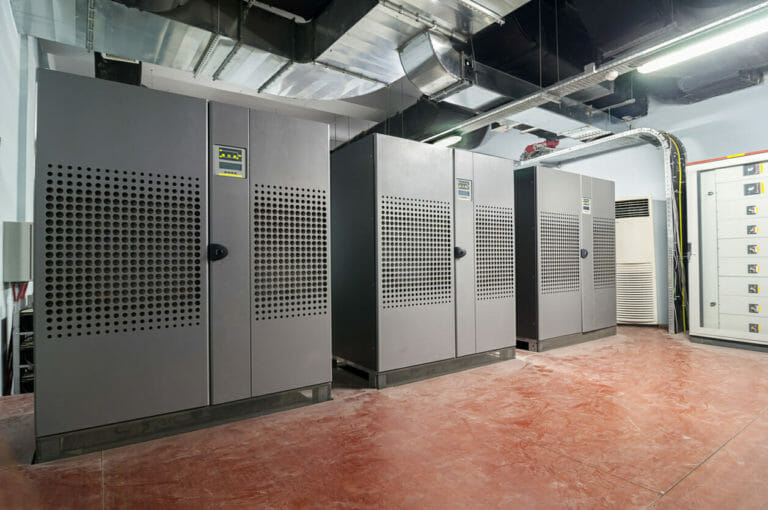
Finding the right UPS match is crucial for critical power applications. This guide breaks down three key categories to help you select the best model: equipment load, environmental factors, and UPS technology type. Understanding your specific needs will ensure efficient and effective power protection.
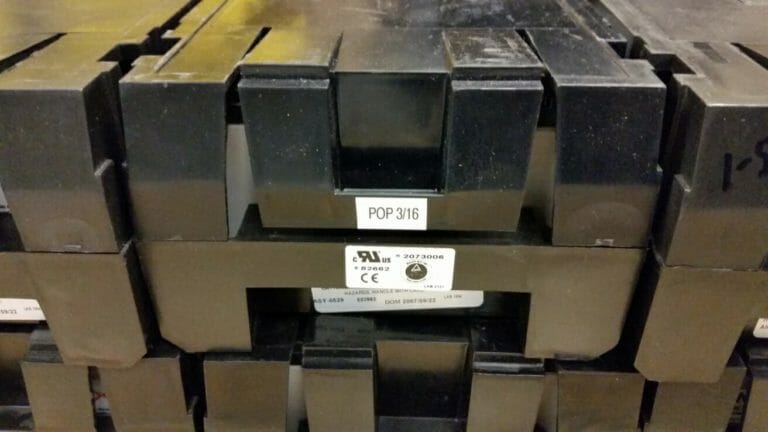
Modular UPS systems offer flexibility for battery replacement, but new modules can be expensive. Discover the advantages of refurbished UPS battery modules, including cost savings and ease of installation. Learn about QPS's rigorous refurbishment process, ensuring safety and functionality for your UPS.

Lithium-ion battery technology is transforming the UPS industry. Join QPS and Toshiba for an educational seminar on March 12th in Brookfield, Wisconsin. Explore the chemistry, applications, maintenance, and safety of this cutting-edge technology. Discover its advantages over traditional batteries and learn why it's a game-changer.
